What Being a Non-Drinker Taught Me About Real Hospitality
Before I ever stopped drinking, I spent years on the other side of the table — as a server and bartender in the hospitality industry. That experience taught me something most guests never think about: the drink menu isn’t just about quenching thirst. It’s about check-building.
The math behind the drink order
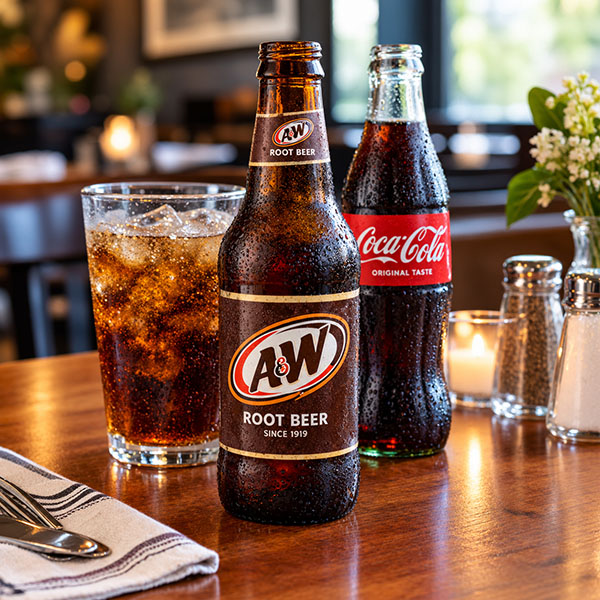
Here’s the trick of the trade. You don’t push soft drinks with free refills — you push root beer, iced tea, milkshakes, anything that gets finished and re-ordered. A guest finishes a root beer, they buy another one. A kid finishes a milkshake, the parent orders a second. Multiply that across a table, and the check climbs fast.
Take a family of six, each ordering a $2.99 bottled root beer. That’s $18 on a single round — and because it’s not a bottomless soft drink, they’re paying for round two, maybe round three, before the meal is even over. One “sale” on a fountain soda with free refills becomes six separate sales on bottled root beer. That’s not an accident. That’s the psychology of the check.
Where that leaves the non-drinker
Now flip it to today, as someone who doesn’t drink. I’m not ordering a $20 glass of wine. I’m not buying a second or third drink to keep the check moving. What I do drink is a lot of water — and I expect it to be handled well.
Here’s the honest part: at some venues, that’s exactly where the hospitality mentality shows cracks. If a server can’t move my check with alcohol, some subtly tune out. I understand the incentive — I used to work the same incentive — but understanding it doesn’t make it acceptable. Hospitality was never supposed to be conditional on how much I’m spending at the bar.
The real signal: silent service
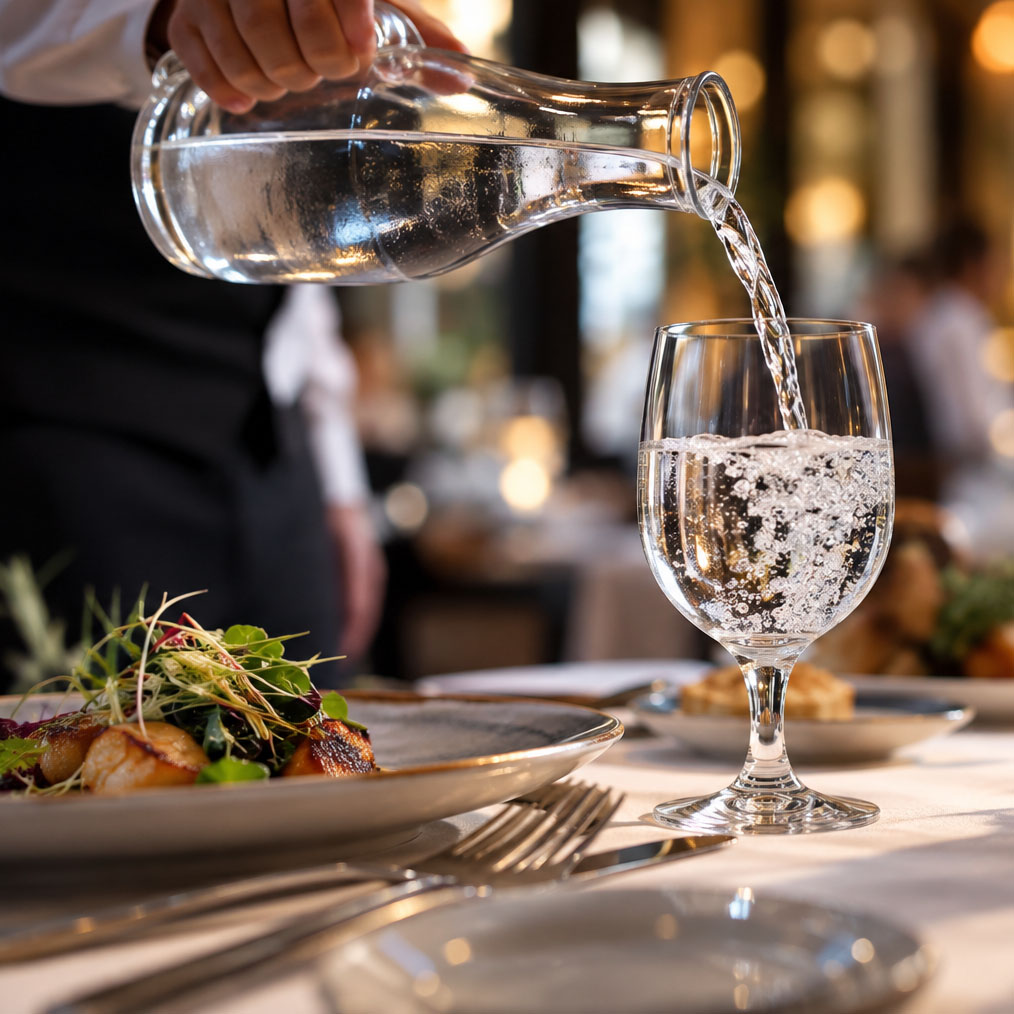
The best servers don’t need a big order to deliver real hospitality. They deliver it through what I call silent service — anticipating what a guest needs before being asked. That extra glass of water that shows up without a request isn’t luck. Someone was paying attention. Someone anticipated the need and met it without making you ask twice.
That’s the kind of service that should be noticed — and rewarded, not overlooked.
What to actually watch for
If you want to know whether you’re getting real hospitality or just average service, watch the small things:
- Is someone folding your linen napkin when you step away from the table?
- Are they pushing your chair back in?
- Are you getting clean silverware for each course, or the same fork through three plates?
Those details aren’t required. Nobody’s going to complain if they’re missing. But when they’re there, that’s a server who’s operating above the baseline — and that’s worth recognizing with your gratuity.
Pay for what you get
Average service gets an average tip. That’s the deal, and most servers know it. But exceptional, anticipatory hospitality — the kind that shows up whether or not you’re the table buying bottle after bottle — deserves more. Gratuity isn’t just a percentage of the check. It’s a reflection of whether someone paid attention to you, not just your tab.
So here’s what the tax man who E.A.T. says: pay more for real service. You pay for what you get — so when someone gives you more than you expected, give it right back.
— The Tax Man Who E.A.T.